
 English (EUR)
 Česky (CZK)
 Deutsch (EUR)
 Polski (EUR)
 Français (EUR)
 Español (EUR)
 Italiano (EUR)
 Română (EUR)
 Ελληνικά (EUR)
 Dutch (EUR)
 Eesti keel (EUR)
 Português (EUR)
 Magyar (EUR)
 Svenska (EUR)
 Dansk (EUR)
 Suomen kieli (EUR)
 български език (EUR)
 Slovenščina (EUR)
 Slovensky (EUR)
 lietuvių kalba (EUR)
 latviešu valoda (EUR)
Having trouble sleeping? CBNO might be the solution!

- CBNO: improved version of CBN
- How does CBNO interact in the human body?
- Potential effects of CBNO
- CBNO products
- Conclusion
- FAQ
CBNO: improved version of CBN
CBNO stands for Cannabinol-O-Acetate. It is a synthetic cannabinoid with unique effects.
The path to CBNO led through the chemical experiments of British scientists at the turn of the 19th century. When Thomas Barlow Wood and his Cambridge colleagues studied a thick red resin containing CBN and other cannabinoids that they isolated from cannabis, they chemically modified it to create the first known acetylated form of cannabinol - CBN-acetate.
CBNO is thus formed by the acetylation of the cannabinoid CBN (cannabinol).
CBN is only present in small quantities in the plant and is produced by degrading THC, a popular psychoactive cannabinoid. CBN can be extracted directly from the plant or created by chemical synthesis from THC.
CBNO from a chemistry perspective
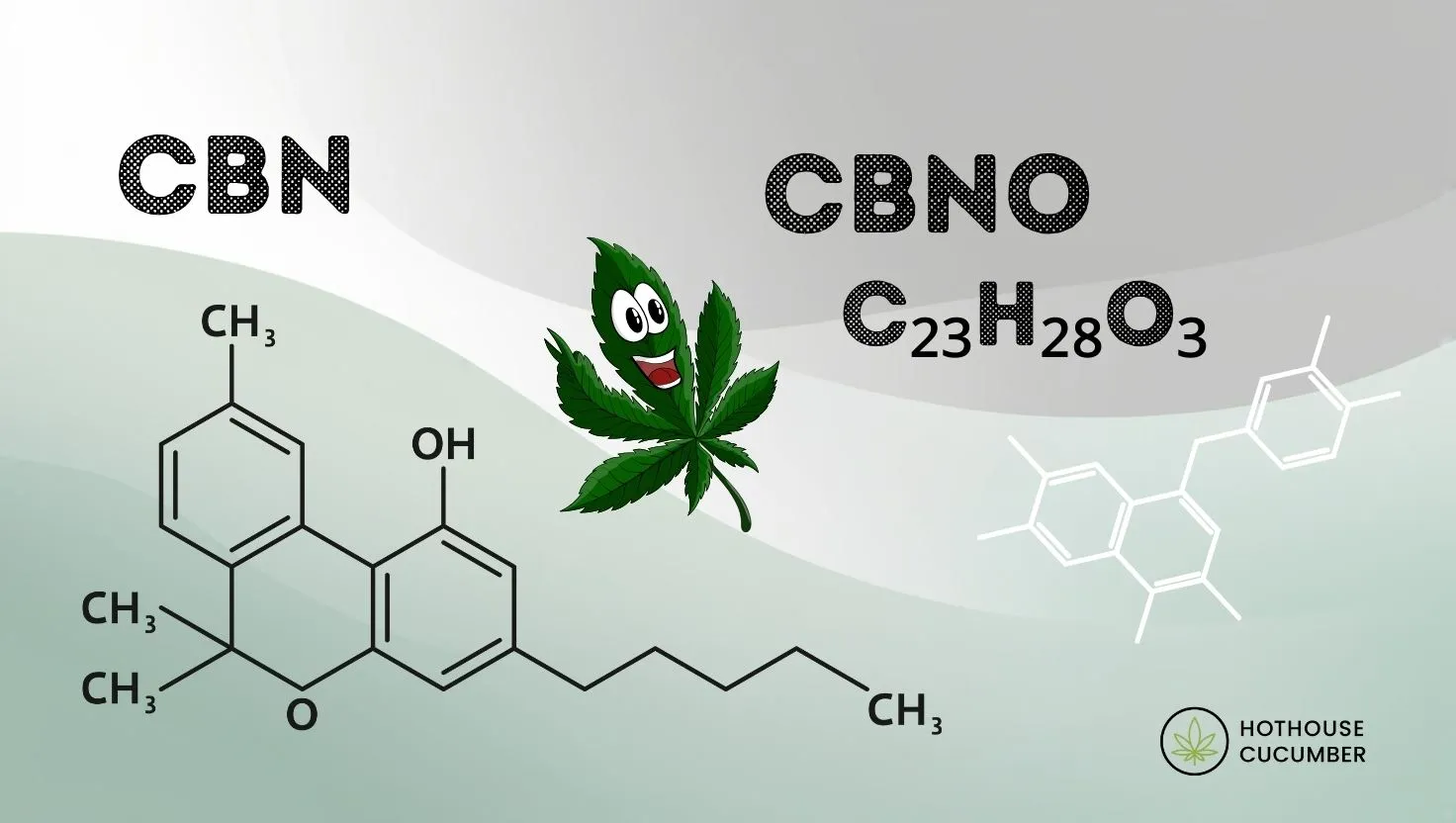
The chemical structure of CBNO is similar to that of CBN, except that it contains an acetyl group ( -O-COCH3).
The molecular formula of CBNO is C23H28O3, meaning that it has 23 carbon atoms, 28 hydrogen atoms and 3 oxygen atoms.
What is the meaning of acetylation?
Acetylation is a common chemical treatment used to improve the properties of various substances, such as pharmaceuticals.
Although the specific effects of CBN acetylation have not yet been studied in detail, it is thought that the result may be:
- Better resistance of CBNO to degradation and greater stability.
- Change in solubility and bioavailability: A different polarity of the molecule may affect its solubility in fat or water and thus the way it is absorbed in the body.
- Other interactions in the body: Due to the modification of the molecule, CBNO may interact differently with the receptors of the endocannabinoid system, which may lead to different effects.
What do we know about how CBNO interacts in the human body?
Cannabinoids in the body act primarily through the endocannabinoid system. This is a vast network of cellular receptors that helps regulate key processes in the body, keeping it in balance.
The main receptors of this system are CB1, which mainly affect the brain and central nervous system, and CB2, which mainly affect the functioning of organs and immunity.
CBNO is thought to interact in the body as its precursor CBN. CBN binds to the two main receptors of the endocannabinoid system, CB1 and CB2. However, compared to THC, its effect on CB1 receptors should be up to 10 times weaker, meaning it should not affect the mind and is considered non-psychoactive. The affinity for CB2 receptors should be comparable to THC.
Potential effects of CBNO
While the public and the scientific community have so far been particularly interested in the more important cannabinoids such as CBD, research on CBNO is at an early stage and we therefore have no reliable information on how it works in the body and what effects it has.
We derive this information from what we know about CBN and other cannabinoids and their acetylated forms, as well as from the experiences of users.
Relax
People who use CBNO often describe a feeling of deep relaxation - a pleasant physical release, a calming of the mind without feeling groggy. CBNO is therefore coming to the fore as a possible aid in managing tension, anxiety and stress.
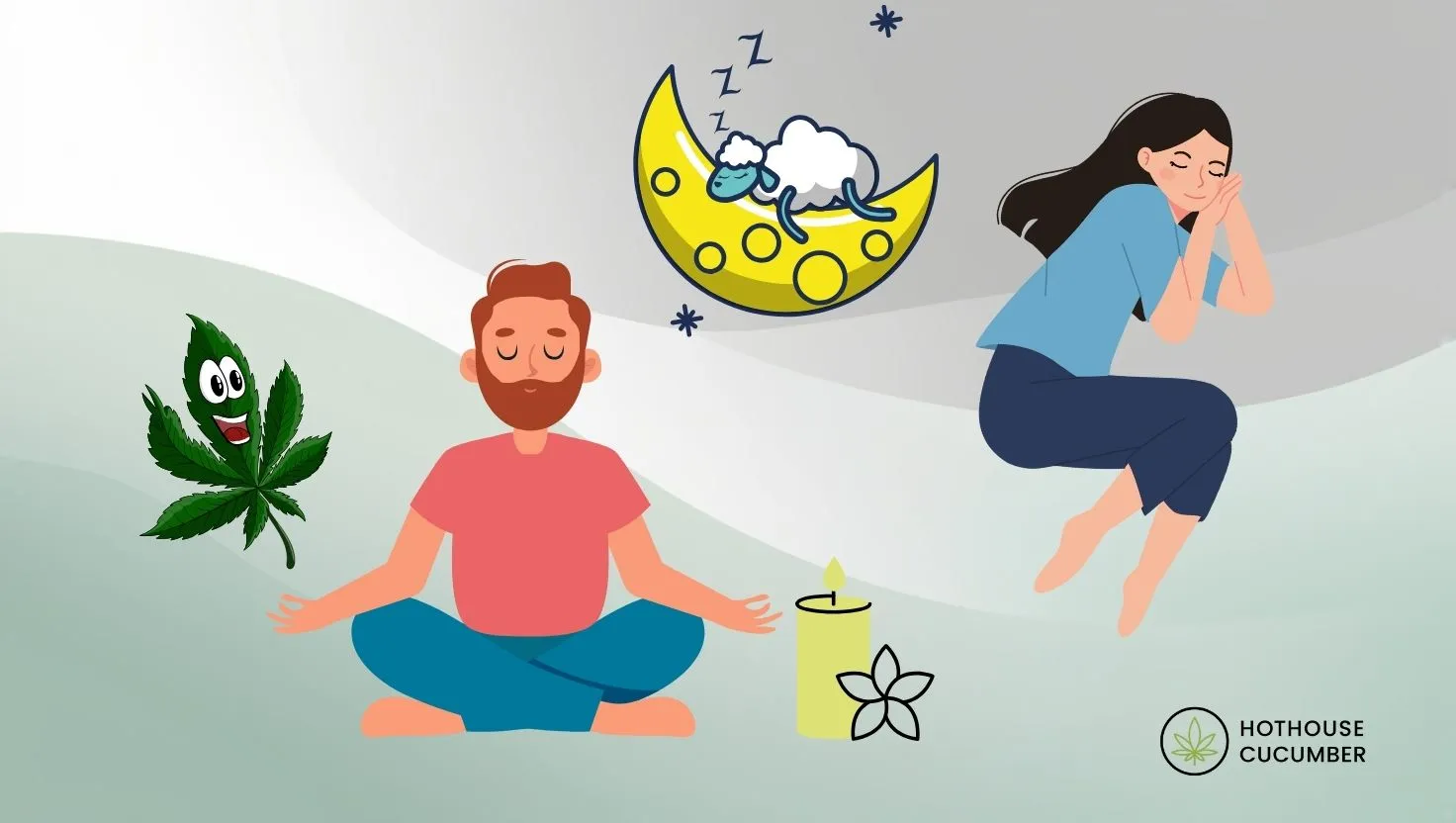
Sleep support
Users report that CBNO has a great effect on their sleep - they reportedly fall asleep faster and sleep undisturbed and longer. According to some, CBNO's effect on sleep is more pronounced than that of CBN. Research to date suggests that CBN may:
- Increase sleep duration: CBN increased total sleep time in rats in a 2024 study.
- Prolong the deep sleep phase: The same study also showed that CBN prolonged the deep sleep phase and improved overall sleep stability.
- Reduce the number of awakenings: This was shown, for example, in a 2022 study of nearly 300 people aged 18-55.
Analgesic and anti-inflammatory effects
Cannabinoids have analgesic and anti-inflammatory properties. Research to date has shown that they can suppress inflammation in various ways, such as:
- Reducing the production of cytokines and chemokines at sites of inflammation: cytokines and chemokines call in white blood cells and other immune cells, and if there are too many of them, inflammation occurs, which can harm rather than help the body.
- Apoptosis of over-activated immune cells: the programmed death of cells that are no longer needed helps prevent persistent inflammation and protects the body from damaging its own tissues.
- By increasing the number of T cells (FoxP3⁺), specialized cells that play an important role in regulating immune responses and maintaining balance in the body's defense system.
Cannabinoids have been successfully tested against, for example, multiple sclerosis, rheumatoid arthritis, colitis or hepatitis, where they have helped to slow the development of the disease.
The anti-inflammatory effect could even apply to some cancers associated with chronic inflammation - either by suppressing the inflammation itself or by limiting angiogenesis, the growth of new blood vessels supplying the tumour.
It is thought that CBNO may share these properties with other cannabinoids.
Neuroprotection
Cannabinoids, including CBN, are known for their neuroprotective effects. They promote neurogenesis, the formation of new brain cells. They also have a positive effect on the viability of undifferentiated neural stem cells, which can then transform into astroglial cells that play a major role in defence against oxidative stress.
During oxidative stress, free radicals damage cells, leading to impaired cognitive and motor function and the development of neurodegenerative diseases such as Alzheimer's disease and Parkinson's disease. Cannabinoids could serve to prevent or slow down these diseases.
Astroglial cells also help maintain an ideal environment for cells through external changes, such as changes in pH or temperature.
Since CBNO is an acetylated form of CBN, it is thought that CBNO may have the same, or even stronger, neuroprotective properties.
CBNO products
As interest in CBNO grows, so does the range of CBNO products. In particular, disposable vapes, cartridges and liquids for vapes are available on the market. Vaping is a popular way to use cannabinoids; for its variety of flavours, rapid onset of action and the absence of harmful substances associated with combustion that occurs with conventional smoking.

CBNO-containing flowers are also available on the market and have a wide range of uses, as well as other products such as hash or gummies.
Conclusion
CBNO is a new non-psychoactive cannabinoid with significant potential. It was created by chemically modifying CBN, which may make it more potent.
Information and user experience to date suggests that CBNO could be relaxing, promote good sleep, reduce pain and inflammation and have potential neuroprotective effects.
FAQ
Is CBNO legal?
Because CBNO is a relative novelty, it is not yet regulated in many countries. If you do decide to get CBNO, be sure to keep an eye on the legislation, which is different in every country and changes rapidly – while in some countries non-psychoactive cannabinoids are not a problem, in others you can face complications even for possessing the popular CBD.
Is CBNO psychoactive?
CBNO is not considered a psychoactive substance. Although it binds to CB1 receptors in the body's endocannabinoid system, which affect the psyche, its affinity is low, so unlike THC it does not induce changes in perception or euphoric states. Users report feeling relaxed or sleepy.
Is CBNO safe? How to use CBNO?
As there is a lack of information on the safety of CBNO, users should approach the substance with caution. It is important to monitor your own body's reactions and use quality products. Many users like the combination of CBNO with CBN.
According to early testers, CBNO has the best effects when taken orally (by dropper under the tongue or as a snack). Vaping is also a popular form of cannabinoid consumption.
A 2022 study warns that vaping acetate forms of cannabinoids could produce ketene when high temperatures are used. Although this has not been confirmed specifically for CBNOs and there are no known cases where vaping CBNOs has led to health complications, increased caution should be exercised when using new substances.
We recommend that users vape CBNO at lower temperatures (with adjustable vaporizers) or choose disposable vape pens, which usually have a preset optimal temperature range of 180–250℃.
Can CBNO affect the result of a drug test?
Conventional drug tests only detect THC. Because CBNO has a different structure than THC, a standard drug test should not react to the presence of CBNO. However, several factors must be taken into account:
- The composition and quality of the product.
- Metabolism of CBNO: We do not yet have detailed information on what happens in the body with CBNO. Therefore, it cannot be ruled out that it could be converted into other substances (metabolites) which could be incorrectly assessed by the test as THC.
Although the likelihood of a positive drug test is small, we recommend that you avoid using CBNO if you know you might be tested.
Sources:
- Cannabinol: History, Syntheses, and Biological Profile of the Greatest “Minor” Cannabinoid - PMC
- A sleepy cannabis constituent: cannabinol and its active metabolite influence sleep architecture in rats | Neuropsychopharmacology
- A double-blind, randomized, placebo-controlled study of the safety and effects of CBN with and without CBD on sleep quality - PubMed
- Review of the neurological benefits of phytocannabinoids - PMC
- Vaping Cannabinoid Acetates Leads to Ketene Formation - PubMed
Author: Natálie Kubíčková
Photo: AI
"All information provided on this website, as well as the information provided through this website, is for educational purposes only. None of the information contained herein is intended as a substitute for medical diagnosis and such information is not to be considered medical advice or recommended treatment. This website does not promote, endorse or advocate the legal or illegal use of narcotic drugs or psychotropic substances or the commission of any other illegal activity. Please see our Disclaimer for further information."
Recommended products4

Canntropy CBNO Liquid Ice Cream Cookies, CBNO 94% quality, 10 ml
Canntropy CBNO Fruit Gummies Mix, 10 pcs x 10 mg, 100 mg CBNO, 25 g

Canntropy CBNO Disposable Vape Pen Sour Tangie, CBNO 94% quality, 1 ml